About quail chicks

Raise them. Enjoy them.
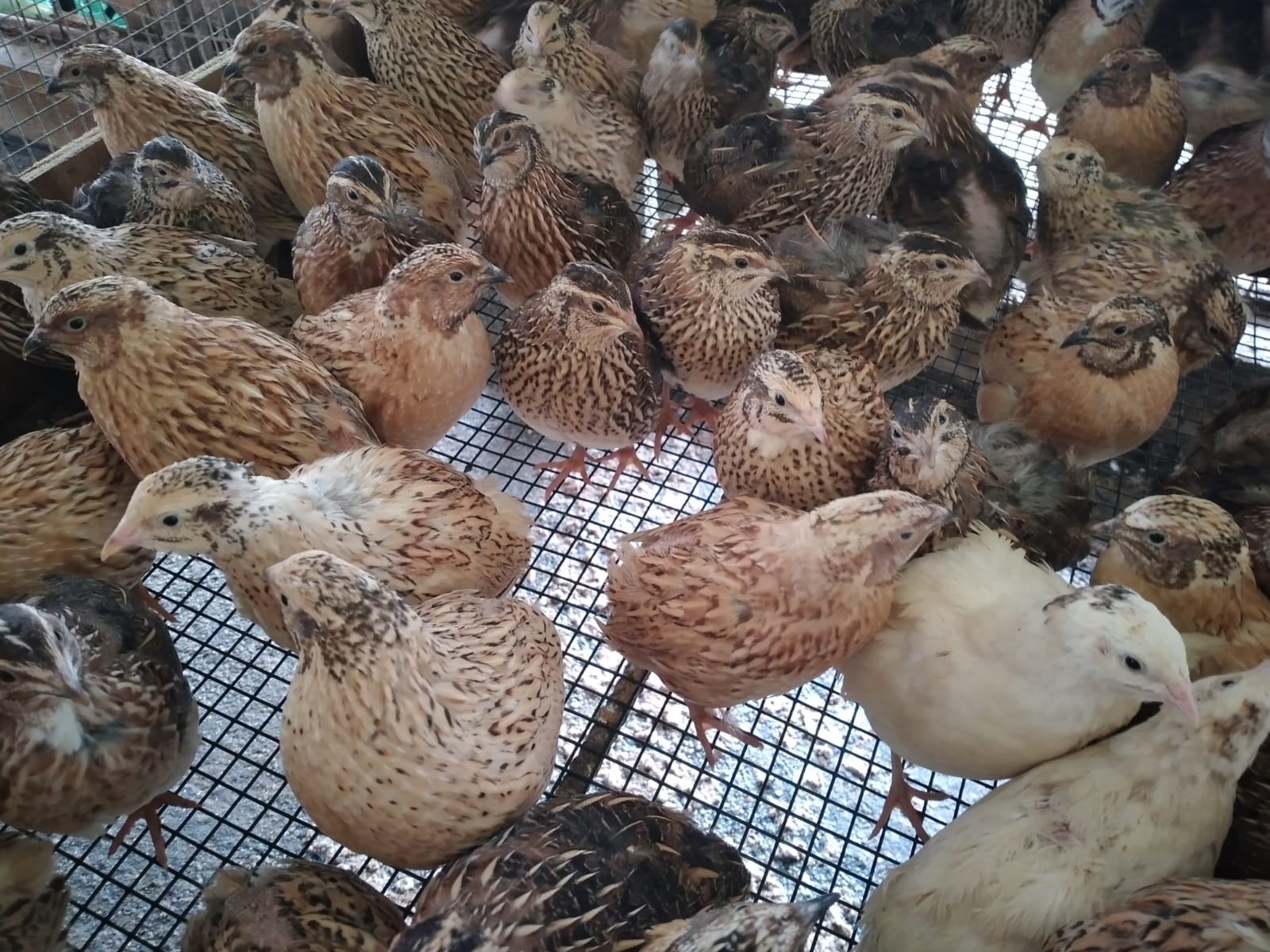
Healthy, active chicks ready to grow into strong, productive birds. Quail are friendly, gentle and quiet, and they are easy to keep. A good first flock, or a smart addition to a working operation.

Young coturnix quail chicks nestled together in a woven basket
Why our chicks

Strong start. Steady growth. Reliable supply.

  • Sourced from healthy, well-managed breeding stock
  • Active and alert, ready for placement on arrival
  • Suited to beginners, hobbyists and commercial setups
  • Friendly, quiet and easy to handle
  • Mature quickly, laying eggs in as little as six weeks
  • Ongoing guidance from our family to yours
Why buy from us

Quality you can count on.

Healthy chicks

Raised under clean, monitored conditions.

Natural and safe

No shortcuts. Naturally raised and ethically handled.

Strong producers

Steady growth rates and good egg-laying performance.

Ongoing support

We are a quick message away if you need a hand.

Reliable supply

Steady availability for repeat customers and farms.

From our flock

Easy to raise

Compact housing and simple daily care. Great for first-time keepers.

From our flock

Family friendly

Calm, gentle birds your children can help look after.

From our flock

Sustainable choice

Low impact, ethical and rewarding to keep year after year.

Incubating quail eggs

17 to 18 days from set to hatch.

Coturnix quail eggs usually hatch on day 18 in an incubator, with some hatching anywhere between days 16 and 20. Lockdown (stop turning, raise humidity) starts on day 14 or 15 to get the chicks ready.

Days 1 to 14

Steady incubation

Hold 99.5°F (37.5°C) and 45 to 50% relative humidity.

Days 15 to 18

Lockdown

Raise humidity to 65 to 75% and stop turning the eggs.

Daily

Turning

Turn eggs 3 to 5 times a day, or use an automatic turner, so the embryo does not stick to the shell.

  • Set up the incubator at least 24 hours in advance so temperature and humidity are steady.
  • Do not open the incubator during the 3-day lockdown.
  • Keep the incubator in a room with stable temperature, out of direct sunlight and drafts.
Feeding your flock

A balanced diet for healthy, happy quails.

A simple feeding routine keeps birds productive and disease-free. Use a good quality quail feed for 80 to 90% of the diet, and fill the rest with fresh greens, vegetables and the occasional fruit. Chop everything small, quails have tiny beaks.

Vegetables

Daily additions: spinach (in moderation), kale, lettuce, cabbage, carrots, cucumbers, pumpkin, zucchini, cooked sweet potatoes, green peas and corn.

Fruits (2 to 3 times a week)

Apples (no seeds), bananas, papaya, mango, watermelon, pineapple, berries and grapes (cut in halves). Treats only, keep portions small because of the sugar.

Plants, herbs and greens

Very useful: moringa leaves (nutrient-dense), dandelion greens, plantain leaf, chickweed, clover, alfalfa, basil, mint, oregano and thyme.

Natural foraging

If you free-range or bring cuttings: young grass, pesticide-free weed mixes, chopped banana leaves and hibiscus leaves and flowers.

Foods to avoid

Avocado, raw potato (peels especially), large amounts of onion or garlic, chocolate, salty or processed foods, and citrus (which can reduce egg production if overfed).

Pro tip

A moringa, pumpkin and greens mix improves yolk colour, supports immunity and gives you a marketing angle: naturally fed quails.

Start your quail journey today.

Let us know how many chicks you want and when.